
Good for:
Thai massage (nuad boran) is rather unique. It is different from Western forms of massage in that it is done on a mattress on the floor, through loose trousers and a top, usually without oil – these last points make it similar to tui na. It is basically a mixture between using acupressure and stretching techniques. In this respect it is similar to a sports massage treatment – a mixture between firm massage, trigger point work and stretching, and I actually mix the two where appropriate. Acupressure is the use of pressure applied on specific points or along sen lines (energy Channels in the body). This also makes it similar to tui na, because hundreds of years ago, Chinese Medicine ideas spread to surrounding countries such as south-east Asia.
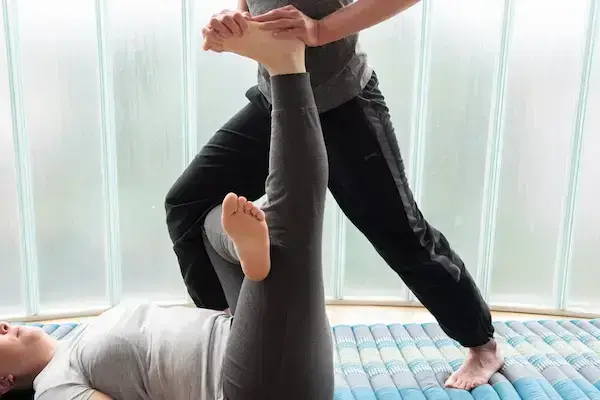
I trained in Chiang Mai in Thailand, at ITM, an internationally recognized school that trains students in traditional northern-style Thai massage, which differs from the Bangkok / southern-style in that it includes more stretches. The Thais believe the treatment works on clearing blocked energy pathways, and it is good for both improving flexibility, as well as easing tension. There are various remedial techniques used to tackle issues such as shoulder pain, back pain, knee problems, digestion problems, etc.
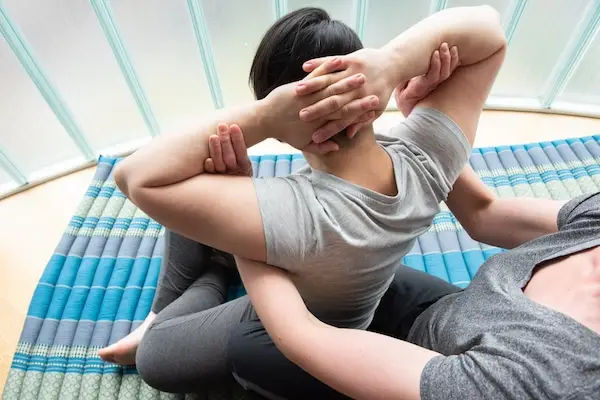
The treatment can also be more relaxing with a focus on neck, face and head massage. In the Thai view, it is seen as an almost meditative experience, so clearing the mind and focusing on the breath are important. But also (as with yoga), it helps you to ground yourself and connect spiritually, if you are that way inclined – as many of us are so much ‘in our heads’ and prone to stress. Quite a lot of work is done on the feet and legs first, and this really does help you to feel ‘grounded’.
A thorough Thai massage can actually take about two-and-a-half hours, but obviously this is not often practical for many people in this country. However, a lot can be achieved in ninety minutes or an hour. The holistic approach is comparable to remedial massage and tui na, when we also work on areas away from the specific area of tension to deal with related or referred tension, imbalance or compensation that are part of the ‘bigger picture’ of the presenting complaint.
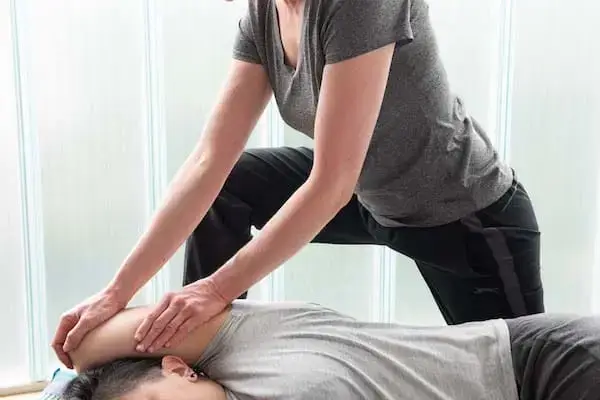
Thai massage (known in Thailand as ‘nuad boran’) is an holistic treatment that combines acupressure and stretching techniques. It is well suited to tension release — including back and neck pain — alleviating tightness, improving flexibility, invigoration and deep relaxation.
Thai massage is performed on a mattress on the floor rather than a treatment table, and you remain fully clothed in loose trousers and a top throughout. Oil is not generally used. Rather than the flowing strokes of Western massage, it uses a combination of firm pressure along energy lines and a wide range of assisted stretching techniques.
No. Thai massage is performed fully clothed. Just wear or bring loose, comfortable clothing — loose trousers and a top are ideal.
Sen lines are the energy channels of the body in Thai medicine, similar in concept to the meridians or channels used in Chinese Medicine. Acupressure is applied along these lines during treatment, which is one of the reasons Thai massage shares similarities with tui na — Chinese medical ideas spread to south-east Asia centuries ago and influenced Thai practice.
Catherine trained at ITM in Chiang Mai, Thailand — an internationally recognised school specialising in traditional northern-style Thai massage.
Northern-style Thai massage, as practised by Catherine, places greater emphasis on stretching compared to the Bangkok or southern style. It is often described as more similar to assisted yoga, which is why it is sometimes called Thai yoga massage.
Yes. There are various remedial techniques within Thai massage used to address specific issues including shoulder pain, back pain, knee problems and digestive complaints. Catherine also combines Thai massage with sports massage techniques where appropriate.
Catherine offers sessions of 60 or 90 minutes. A thorough traditional Thai massage can take up to two and a half hours, though 60 or 90 minutes allows significant work to be done. Ninety minutes is generally recommended for a more comprehensive treatment.
Both, depending on your needs. It can be invigorating and physically thorough, or it can be adapted to be more relaxing, with a focus on neck, face and head massage. In the Thai tradition, the treatment is seen as an almost meditative experience — working on the breath and clearing the mind are considered part of the process.
As with remedial massage and tui na, Thai massage considers the whole body rather than just the site of pain. Work is often done on areas away from the specific complaint to address related tension, compensation patterns or imbalances that are part of the bigger picture.