
Tui na is Chinese massage, and is potentially more than 3000 years old. It can be a stand-alone treatment or can be incorporated into an acupuncture treatment where indicated, as it is based on the theories and diagnostics of Chinese Medicine. That means that it works on an energetic level as well as physical. ‘Tui’ means ‘to push’, and ‘na’ means ‘To grasp’. Depending on the individual presentation, Tui na can be used to clear stagnation, regulate the Organs, nourish and rejuvenate, and calm and relax. Like sports and remedial massage, there are techniques that also help improve range of movement and rehabilitate from strain or injury.
There are many techniques used and they can be Yin or Yang, that is more gentle and soothing, or more vigorous. It is usually done through clothing, like Thai massage, so patients are advised to wear light clothing such as a T-shirt and loose trousers or jogging bottoms.
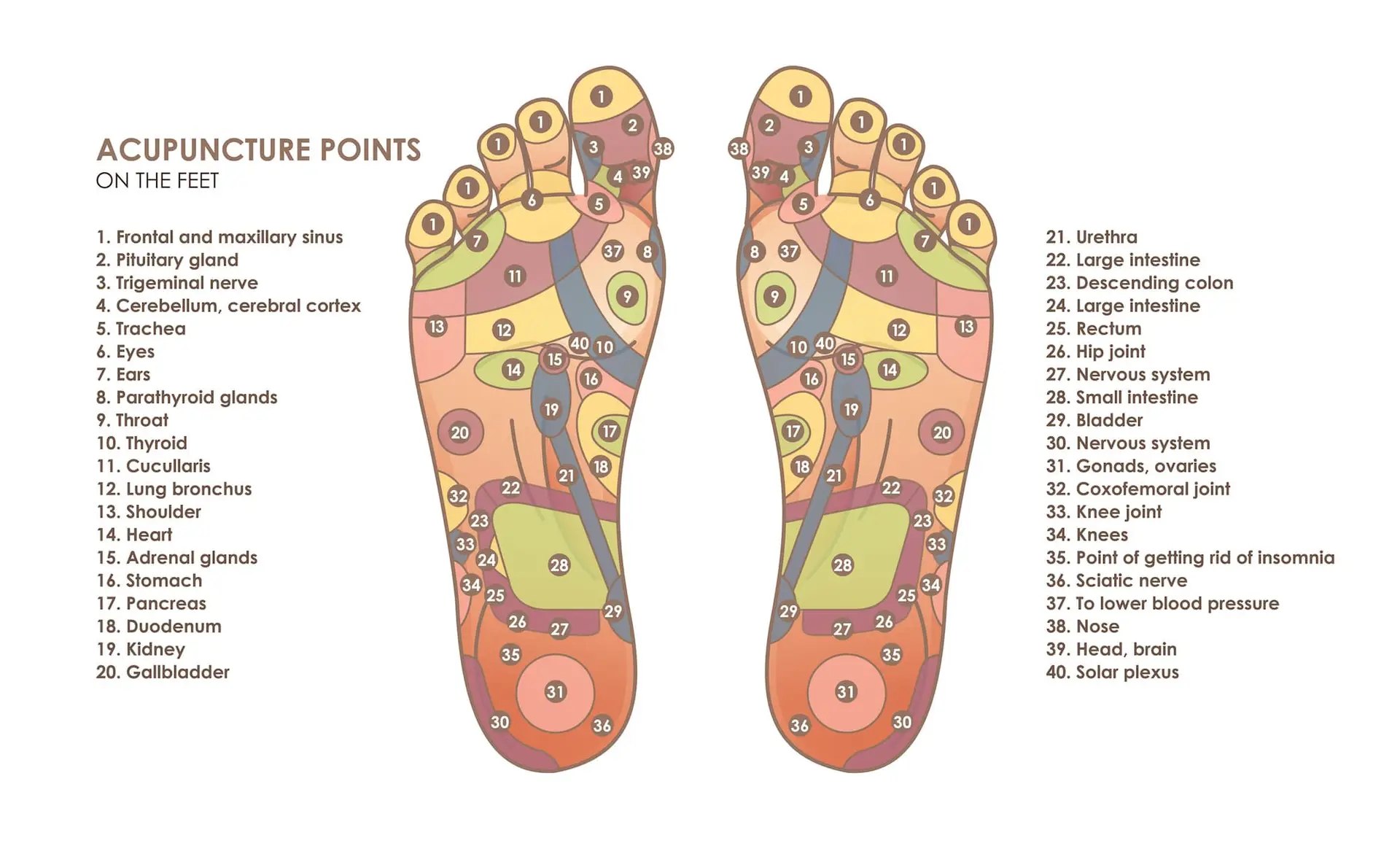
My course incorporated some reflexology training, which involves stimulating certain points on the feet that relate to areas of the body.
I have also learned paediatric Tui na skills, which are simple, gentle techniques for babies and children. They can be very soothing. I offer half-hour treatments for this, which can include showing you some simple techniques that you can use yourself on your baby.
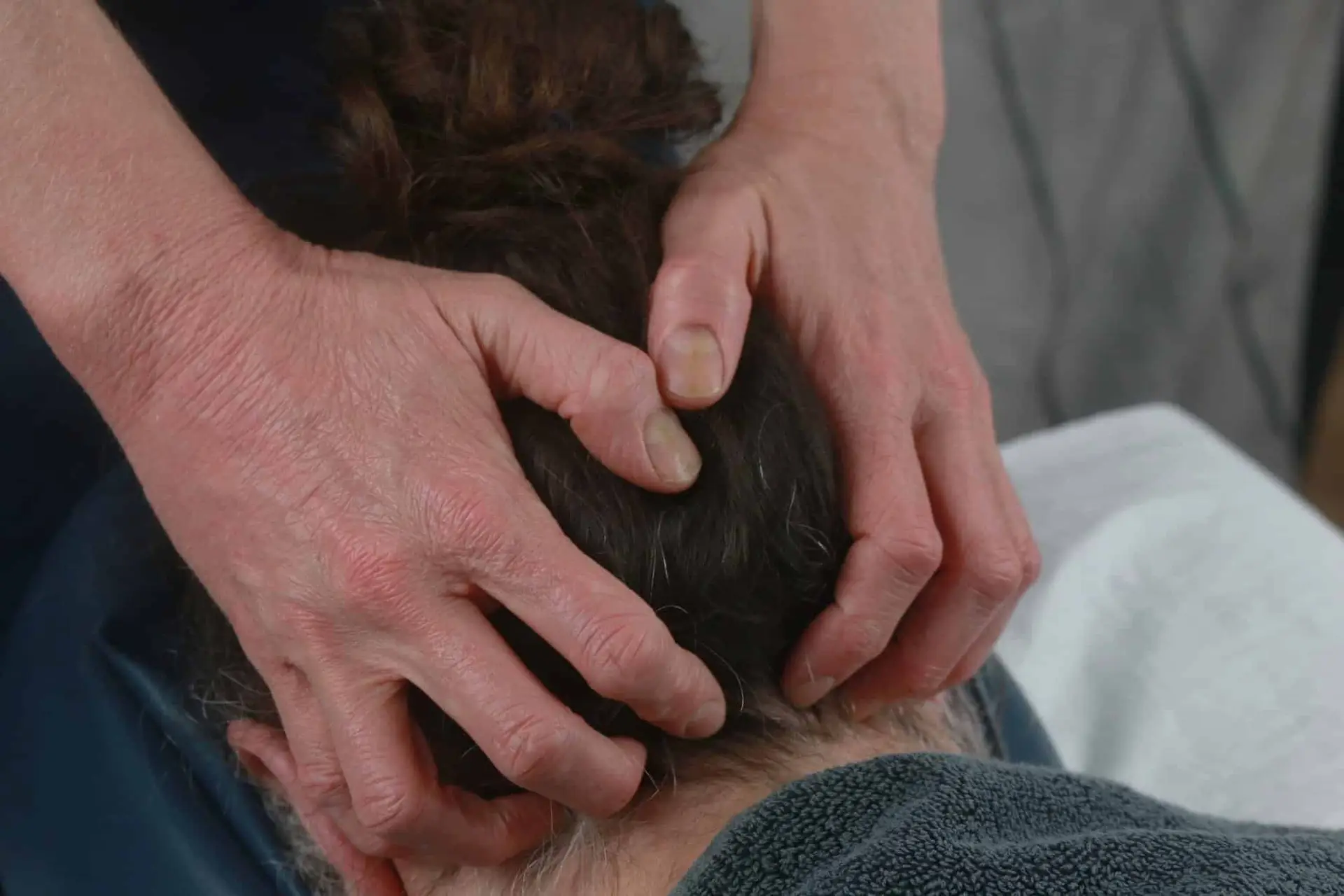
Tui na is traditional Chinese massage with a history of potentially more than 3,000 years. The name reflects its techniques — ‘tui’ means ‘to push’ and ‘na’ means ‘to grasp’. It is rooted in the theories and diagnostics of Chinese Medicine, meaning it works on both a physical and energetic level.
Unlike Western massage, tui na is based on Chinese Medicine principles — working along Channels and acupuncture points to address imbalances in the body’s energy as well as physical tension. It can be used to clear stagnation, regulate the organs, nourish and rejuvenate, or calm and relax. Certain techniques also help to improve range of movement and support recovery from strain or injury.
No — tui na is usually performed through clothing, similar to Thai massage. Catherine advises wearing light, comfortable clothing such as a T-shirt and loose trousers or jogging bottoms.
Both. Tui na techniques can be Yin (gentle and soothing) or Yang (more vigorous and stimulating), and the approach is always chosen based on your individual presentation and needs on the day.
Either. Tui na works well as a standalone treatment in its own right, and can also be incorporated into an acupuncture session where it is clinically indicated. Catherine will advise on the most appropriate approach for you.
Catherine’s tui na training incorporated reflexology, which involves applying pressure to specific points on the feet that correspond to different areas and organs of the body. This may be included as part of a session where appropriate.
Yes. Catherine has trained in paediatric tui na, which uses simple, very gentle techniques suitable for babies and children. These can be particularly soothing. Paediatric sessions are offered as 30-minute appointments and can include showing parents or carers some simple techniques they can use themselves at home between sessions.
The two share some similarities — both are typically performed through clothing and both use pressure along energy channels in the body. The key difference is that Thai massage places greater emphasis on assisted stretching, while tui na draws more directly on Chinese Medicine diagnostics and theory.