
I carry out a variety of treatments to suit different needs, with each session tailored to the individual.
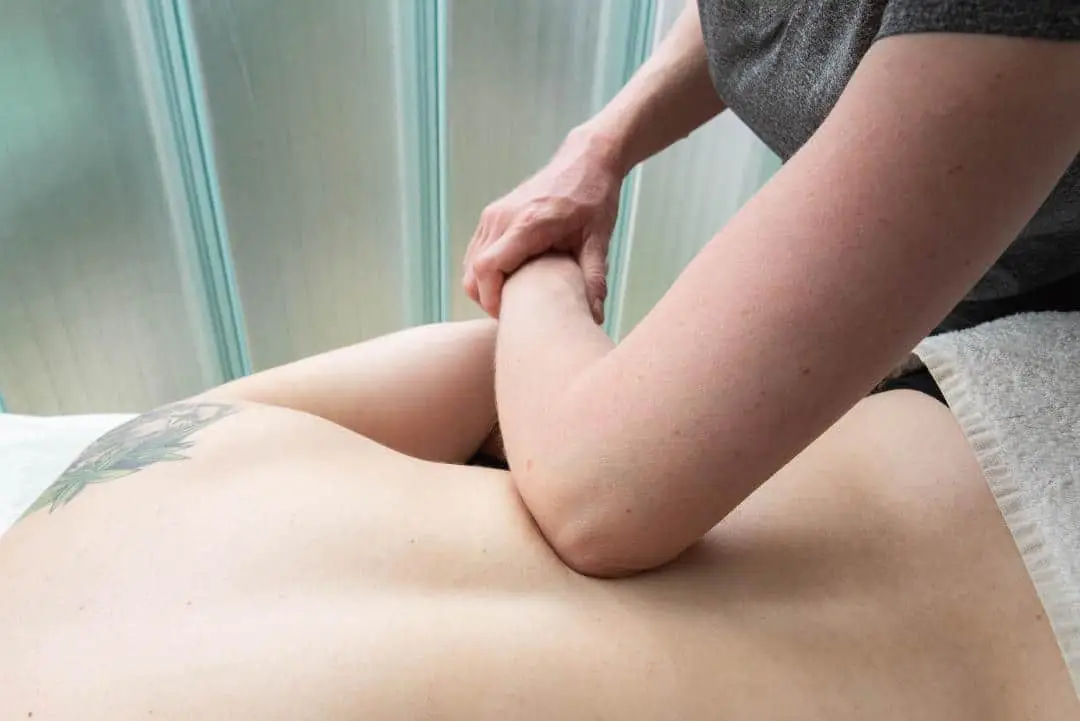
A combination of deep tissue massage, various types of stretches and mobilizations, with relevant assessments and tailored rehab. plans where necessary. Great for general tension, aches, strains, recovery from injury / operation, and as a complement to an active lifestyle.
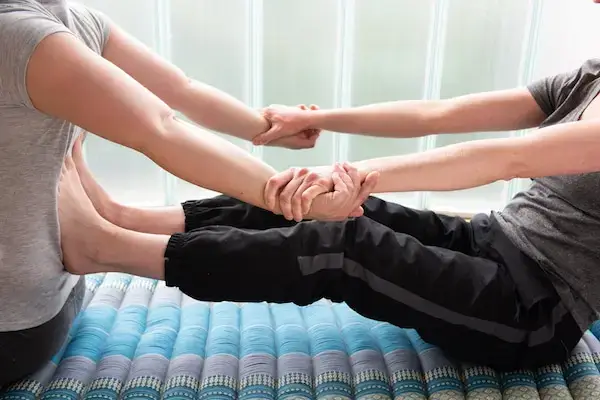
Thai massage is done on a mattress on the floor through loose clothing. It is a combination of assisted stretching and acupressure (working along sen lines (similar to the Channels in Chinese Medicine)), and feels both invigorating and relaxing. Good for alleviating tension and tightness.
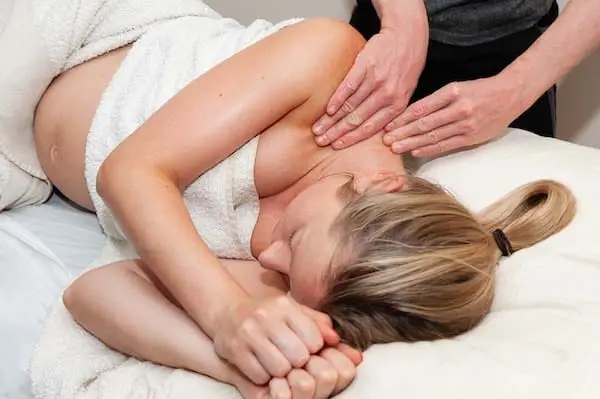
A relaxing treatment done with the patient lying on their side, supported by pillows for comfort, to alleviate tension and de-stress during the second and third trimesters.
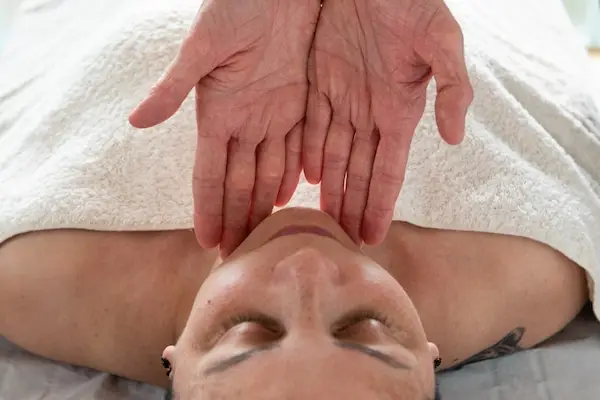
Stimulates the body’s lymphatic system, helping it to rid itself of waste products faster. Good for injury / operation recovery, water retention, sinusitis, digestive issues, hayfever, chronic pain, and to brighten the complexion on the face. Very gentle and relaxing.
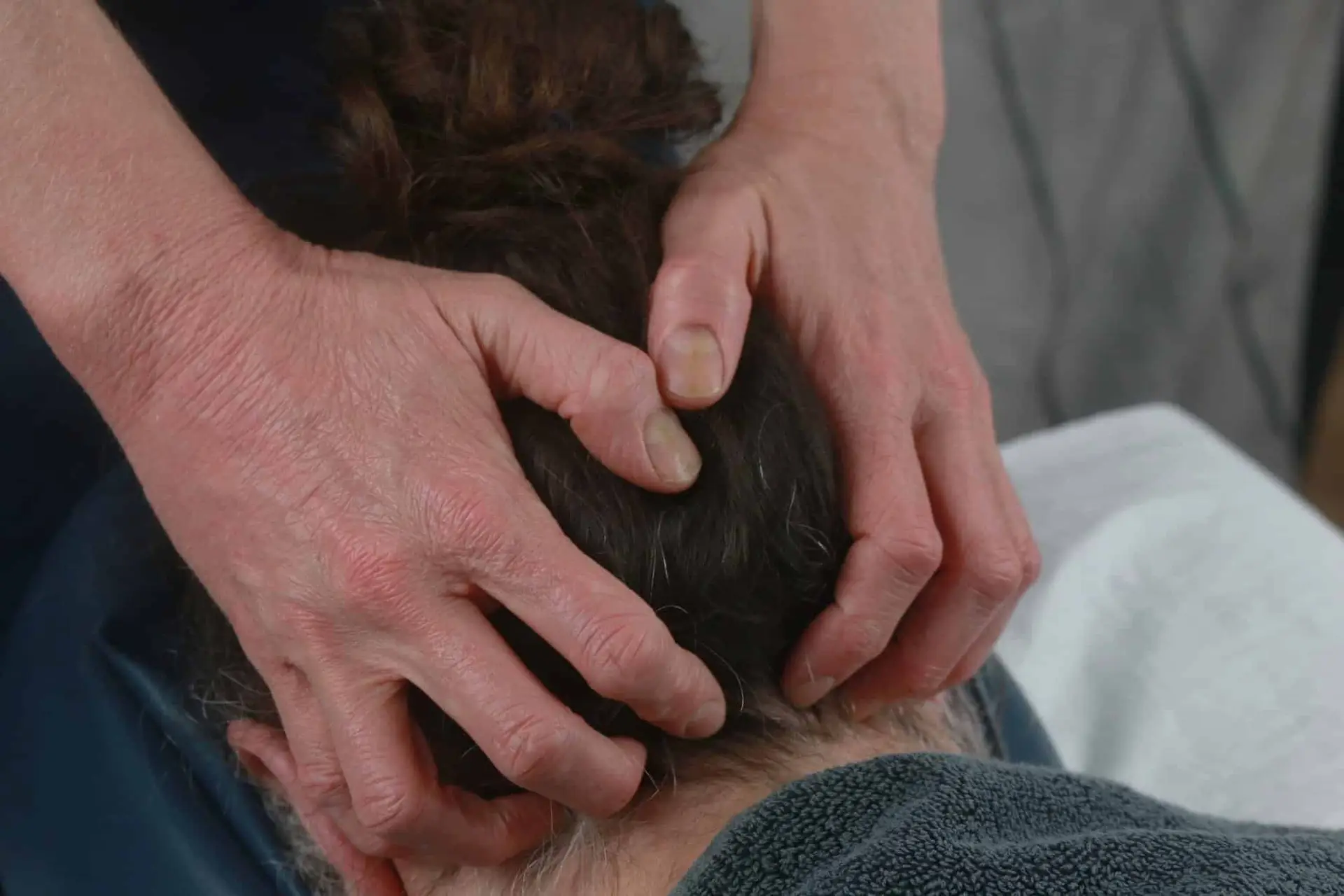
Tui na is Chinese massage, and is potentially more than 3000 years old. It can be a stand-alone treatment or can be incorporated into an acupuncture treatment where indicated, as it is based on the theories and diagnostics of Chinese Medicine.
Catherine offers a range of massage treatments including sports and remedial massage (soft tissue therapy), traditional Thai yoga massage, pregnancy massage, manual lymphatic drainage (MLD), myofascial release (MFR), and Chinese tui na massage. Each session is tailored to the individual.
If you’re unsure which treatment best suits your needs, feel free to get in touch before booking. As a guide: Sports and remedial massage suits injury or operation recovery, general tension (e.g. from desk work), and active lifestyles; MLD is particularly good for fluid retention, digestive issues, sinusitis (when not overly inflamed), complexion in the face, general detoxing and wellbeing, and post-operative recovery; Thai massage is great for overall tension and tightness, as well as relaxation; and pregnancy massage is for any tension or just to relax.
Sports and remedial massage — also called soft tissue therapy — combines deep tissue massage with stretching, mobilizations and targeted assessments. Where needed, Catherine will put together a tailored rehabilitation plan. It is well suited to general tension, aches and strains, recovery from injury or surgery, and as a complement to an active lifestyle.
Traditional Thai yoga massage is performed on a mattress on the floor, through loose clothing — no oils are used. It combines assisted stretching with acupressure along ‘Sen’ lines, which are similar to the Channels used in Chinese Medicine. The result is both invigorating and deeply relaxing, and it is particularly effective for releasing tension and tightness throughout the body.
MLD is a very gentle, relaxing treatment that stimulates the lymphatic system, helping the body clear waste products more efficiently. It can be beneficial for a wide range of conditions including post-injury or post-operative recovery, water retention, sinusitis, digestive issues, hay fever, chronic pain and general detoxing and wellbeing. It is also used as a facial treatment to brighten the complexion.
Catherine is not qualified to treat lymphoedema – for that, you need a Level 3-qualified Vodder Technique therapist (with the letters ‘DLT’ after their name), on the MLD UK website: mlduk.org.uk.
Tui na is traditional Chinese massage with a long history. It is rooted in the same theories and diagnostic framework as acupuncture, working along the body’s Channels and acupuncture points. It can be used as a standalone treatment or incorporated into an acupuncture session where appropriate.
Yes. Tui na can be incorporated into an acupuncture treatment, and a 90-minute extended acupuncture with massage session is also available. Catherine will advise on the best combination for your needs.
Yes. Every session is adapted to what you need on the day — your presenting issues, how you’re feeling and your treatment goals all inform the approach Catherine takes.