
Good for:

I prefer the terms ‘remedial massage’ or ‘soft tissue therapy’ to ‘sports massage’, because the latter implies I just treat sporty people. Yes, I treat a lot of people who exercise, but this type of therapy is also good in many other instances, from post-injury or operation recovery, to tackling minor strains or tension caused by lifestyle or work.
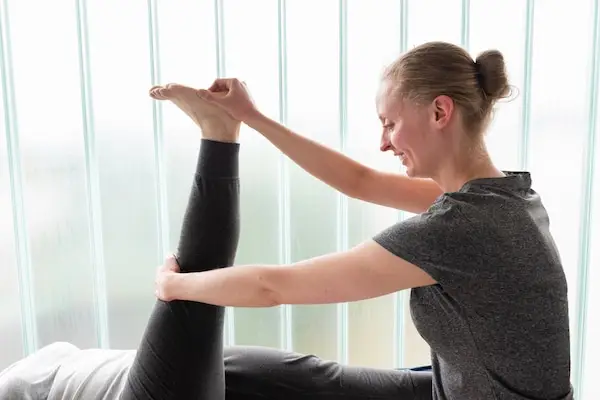
This treatment requires in-depth anatomy and physiology knowledge and involves range of movement, orthopaedic and muscle tests where necessary to inform the treatment. The massage element basically consists of deep tissue techniques, plus some others such as myofascial release. In addition, I use a range of other techniques that help to target problem areas, particularly various types of stretches to stretch and relax muscles, help release fibrotic tissues and help improve posture. These stretches each have a slightly different approach, often involving the neurological receptors in the muscles. I also use trigger point / neuromuscular technique on specific areas of tension, and this involves holding a point for up to a minute until the discomfort subsides. Joint mobilization is also a useful tool for both assessing and improving range of motion.
Homecare advice is an important part of the holistic care of the patient. This could include a wide range of suggestions, from types of stretching and strengthening, to breathing techniques. I help to make people more aware of their posture and technique in various activities, so that they can try and correct certain imbalances and hence prevent future issues. Massage in general helps you to become more aware of your body and how you use it.
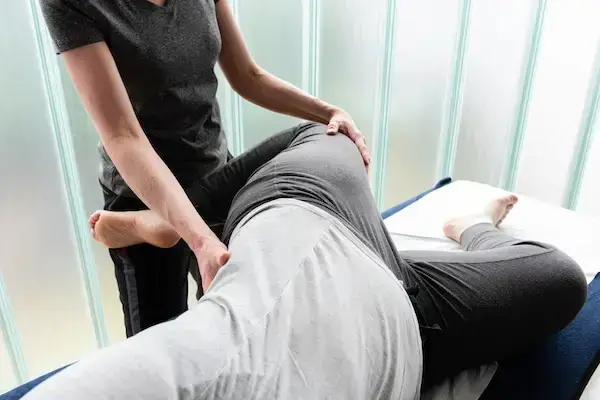
This treatment is effective for a wide range of issues including soft tissue strains and sprains, general muscle tension, post-injury and post-operative recovery, postural problems, repetitive strain injury, sciatic symptoms, back problems (including herniated disc and scoliosis), tendinitis such as tennis or golfer’s elbow, frozen shoulder, and plantar fasciitis.
Not at all. Despite the name ‘sports massage’, this type of therapy is just as relevant for people who don’t exercise regularly. Catherine prefers the terms ‘remedial massage’ or ‘soft tissue therapy’ precisely because they better reflect the full range of people she treats — from those recovering from injury or surgery, to people dealing with tension from desk work or everyday lifestyle.
Sessions begin with assessments where needed — including range of movement, orthopaedic and muscle tests — to inform the treatment plan. The hands-on element combines deep tissue massage with a range of additional techniques including myofascial release, various stretching methods, trigger point and neuromuscular technique, and joint mobilization.
Trigger point (or neuromuscular) technique involves applying sustained pressure to a specific point of tension and holding it for up to a minute until the discomfort eases, calming the neurological receptors in the muscle. Catherine will always work within your comfort level.
Catherine uses several different stretching techniques, each with a slightly different approach. Many work with the neurological receptors in the muscles to encourage them to release and lengthen more effectively. These help to stretch and relax muscles, release fibrotic tissue and improve posture.
Yes — postural issues caused by prolonged sitting or desk work are one of the most common reasons people seek this type of treatment. Catherine can address the muscle imbalances that develop from poor posture and give practical advice on how to improve it day-to-day.
Yes, homecare advice is an important part of every session. Catherine may suggest stretching or strengthening exercises, breathing techniques, or guidance on posture and movement. The goal is to help you understand how your body works, address underlying imbalances, and reduce the risk of issues returning.
Sports and remedial massage is more clinical and targeted in its approach. It involves assessment, a range of specialist techniques beyond standard massage strokes, and a rehabilitation or homecare element. That said, it can still feel deeply relaxing — addressing tension effectively and improving relaxation often go hand-in-hand.